A Film Festival Threw a Disc Party
A major film festival held a fair for DVDs and Blu-rays this month, with a swap and a Kino Lorber pop-up. The same week, Criterion put out 30 discs of Kubrick. Discs are invited back.
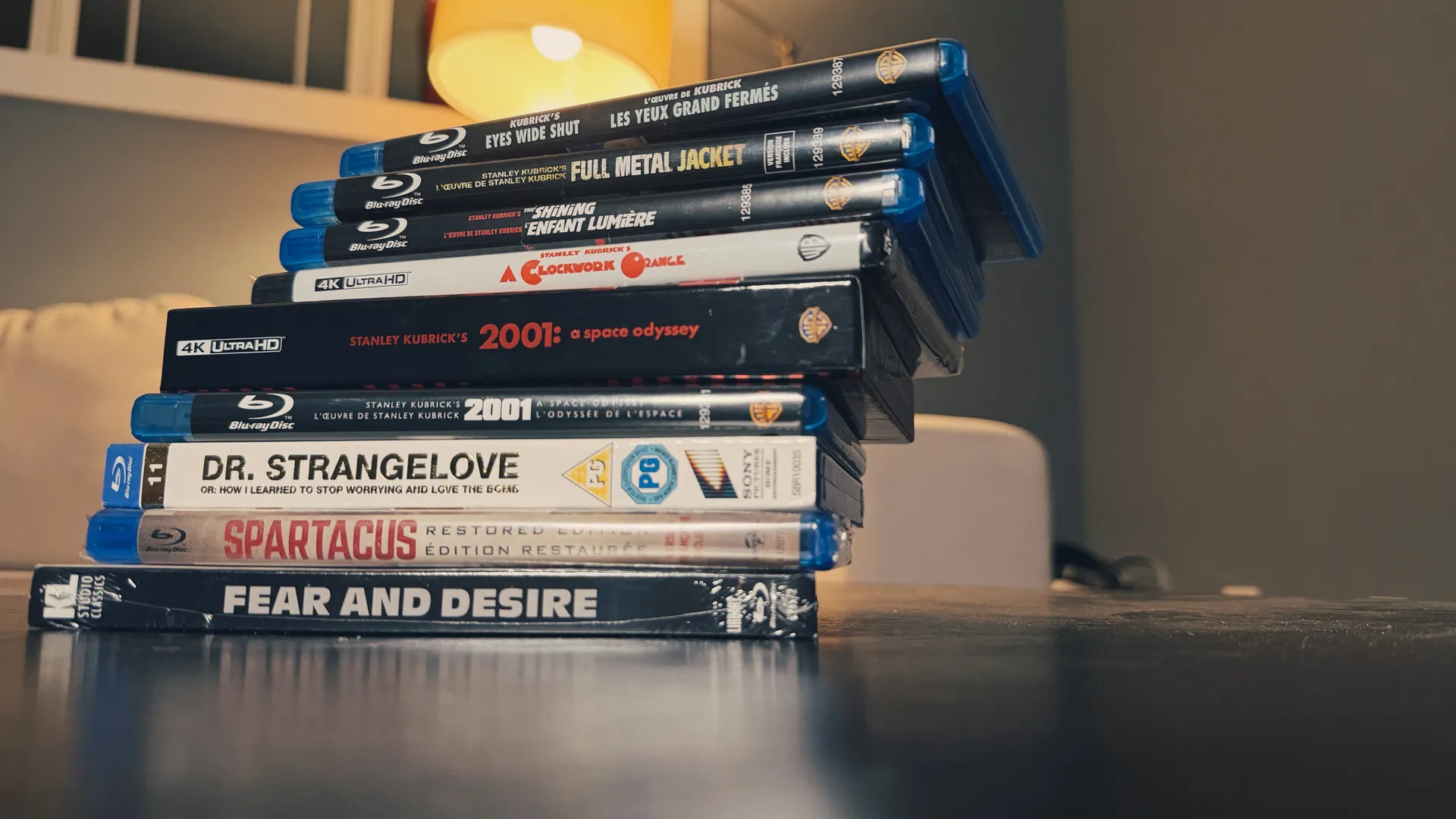
The schedule reads like something I would have made up to cheer myself up.
Saturday at noon: filmmakers in conversation, trivia, prizes. Saturday at five: a physical media swap. Bring films in any format, plus whatever cinema odds and ends you're ready to part with, and trade them with strangers. Sunday at noon: a pop-up shop with movies, vinyl, books and posters, and Kino Lorber selling some of its sets and titles at half price.
That was the Chicago International Film Festival's first-ever Physical Media Fair, held last weekend at New City Mall in Lincoln Park, in the middle of a festival that runs until October 25. Not a collectors' convention in a hotel ballroom. Not a flea market with a film table in the corner. One of the oldest competitive film festivals in North America set aside a weekend to celebrate DVDs, Blu-rays and vinyl.
I have been collecting long enough to remember when a disc was simply how you watched a movie at home, and long enough after that to remember when owning one started to feel slightly sheepish. Streaming arrived, the shelves at big retailers shrank, and the polite assumption at dinner parties became that you were keeping discs out of habit. Collectors mostly stopped bringing it up outside our own forums.
So it is a genuinely nice thing to watch a festival put physical media on the official program.
The festival's marketing manager, Michael Welch, explained it to ABC7 in a way that will sound familiar to anyone reading this: "People want to know when they love a film that when they want to revisit it and dig deep into it," they can. "At the festival our whole thing is building a community of film lovers."
Richard Lorber, who runs Kino Lorber, put it more simply. "Home video is not just the film," he said. "It's also the commentary and the extras and the bonuses."
That line is the whole case, really. A festival is not only about the screening. It's the Q&A afterwards, the director explaining the shot everyone argued about, the programmer's note that tells you why this film is in this year's lineup. Context is what makes a festival screening different from catching the same film on a plane. The disc is the only way most of us can take that context home.
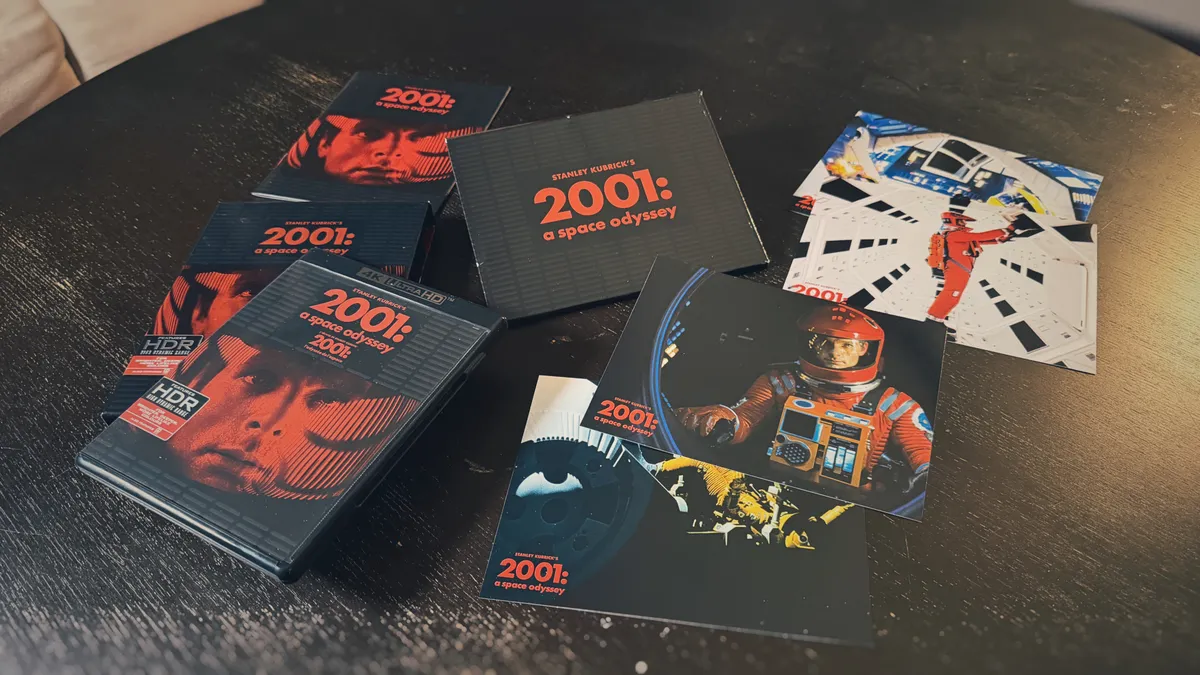
The same week, Criterion released The Complete Kubrick, and if you want a single object that makes Lorber's point, this is it.
It's a 30-disc set: all thirteen of Stanley Kubrick's features plus his three documentary shorts, each restored in 4K. Day of the Fight comes in both its original and RKO versions. The Shining comes in both its theatrical and international cuts. There is more than twenty-five hours of supplementary material, including documentaries like Stanley Kubrick: A Life in Pictures and Stanley Kubrick's Boxes, new commentaries, and an essay by Nathaniel Rich. The box itself is illustrated with photographs, artwork and documents annotated by Kubrick.
That last detail is the one I keep thinking about. Stanley Kubrick's Boxes is a documentary about the boxes of research, notes and correspondence Kubrick kept for decades. And now the films come in a box covered in his own handwriting. It's the most Kubrick thing imaginable, and it only works as a physical object. You cannot stream the feeling of opening it.
I'm not going to pretend everyone needs a 30-disc set, or that the price is an impulse buy. It isn't. But it's worth noticing that one of the most respected names in film decided the definitive way to present a filmmaker's whole career was on discs, in a box, with his handwriting on the outside. Nobody makes that call for a format they think is finished.
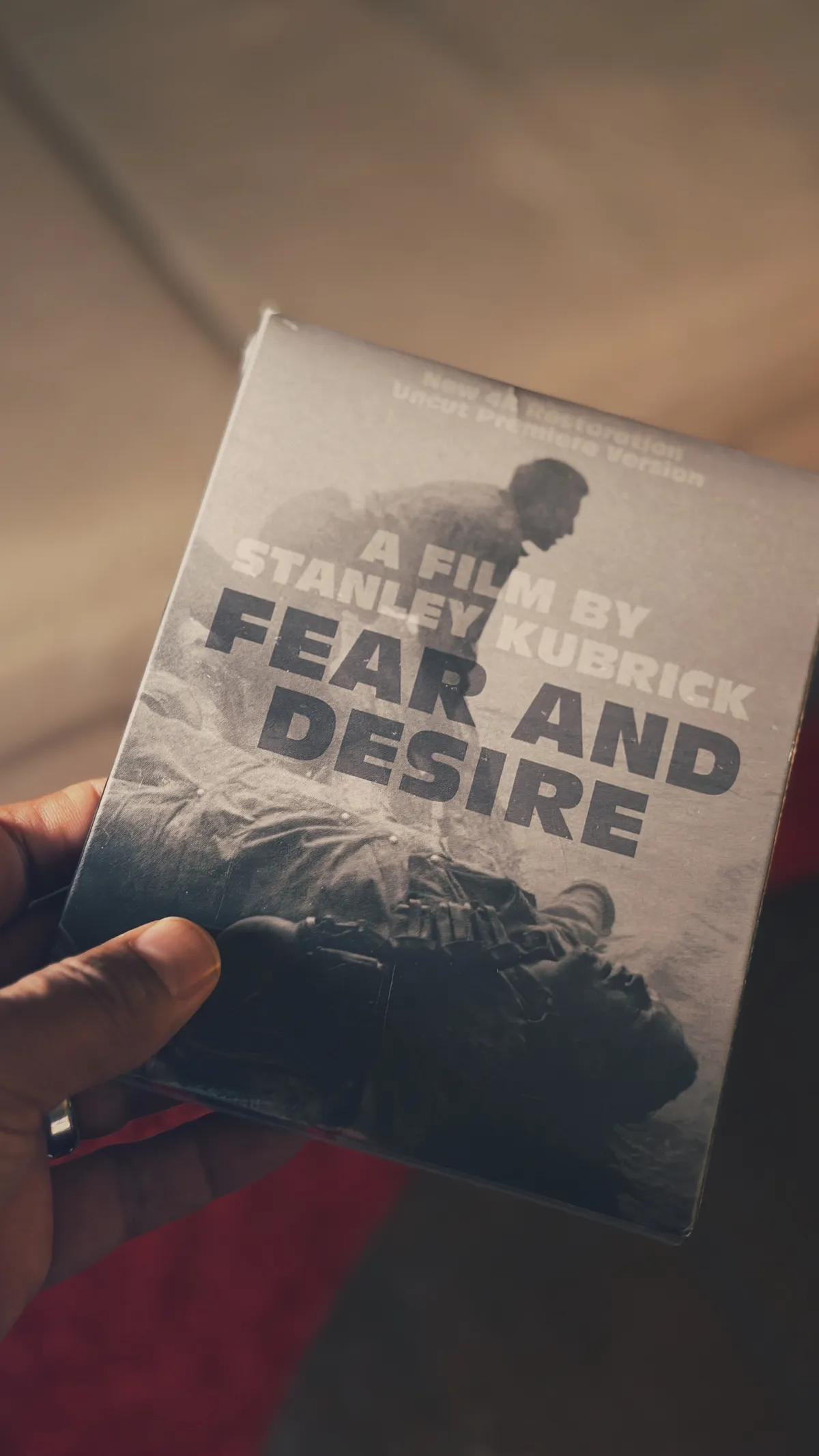
What strikes me about both stories is that neither is framed as nostalgia. Nobody in Chicago was selling the fair as a trip back to 1998. Criterion didn't pitch the Kubrick set as a relic. Both are treating physical media as something current: a way to own a film properly, with the commentary and the restoration and the essay and the box, and to share that with other people who care.
I still subscribe to several streaming services, and I'm glad they exist. Plenty of my watching happens there. But streaming is very good at one thing, which is getting a film in front of you quickly. It's not built for digging in, for keeping, or for swapping a copy of something you love with a stranger on a Saturday afternoon. That has always been what the disc was for, and it's lovely to see a festival say so out loud.
My favourite part of that schedule is still the swap. A table full of people who care enough about films to carry them across a city, handing them to someone who will care about them next. That's not a hobby on its way out. That's a hobby with company.
Arkiv is a platform for keeping track of the collection you've built, discs and digital, so you always know what's on the shelf before you head to the next fair or swap. There are some fun things to uncover as your collection grows. Start your shelf on Arkiv.
0 Comments
Sign in to join the discussion.