Buy It Now, or Bet on Later: What Happened to Buying a New Movie
A 4K preorder has sat in my cart for two weeks at $48. Lock it in now, or wait and bet it gets cheaper after release? That I can't decide anymore says a lot about where physical media is going.
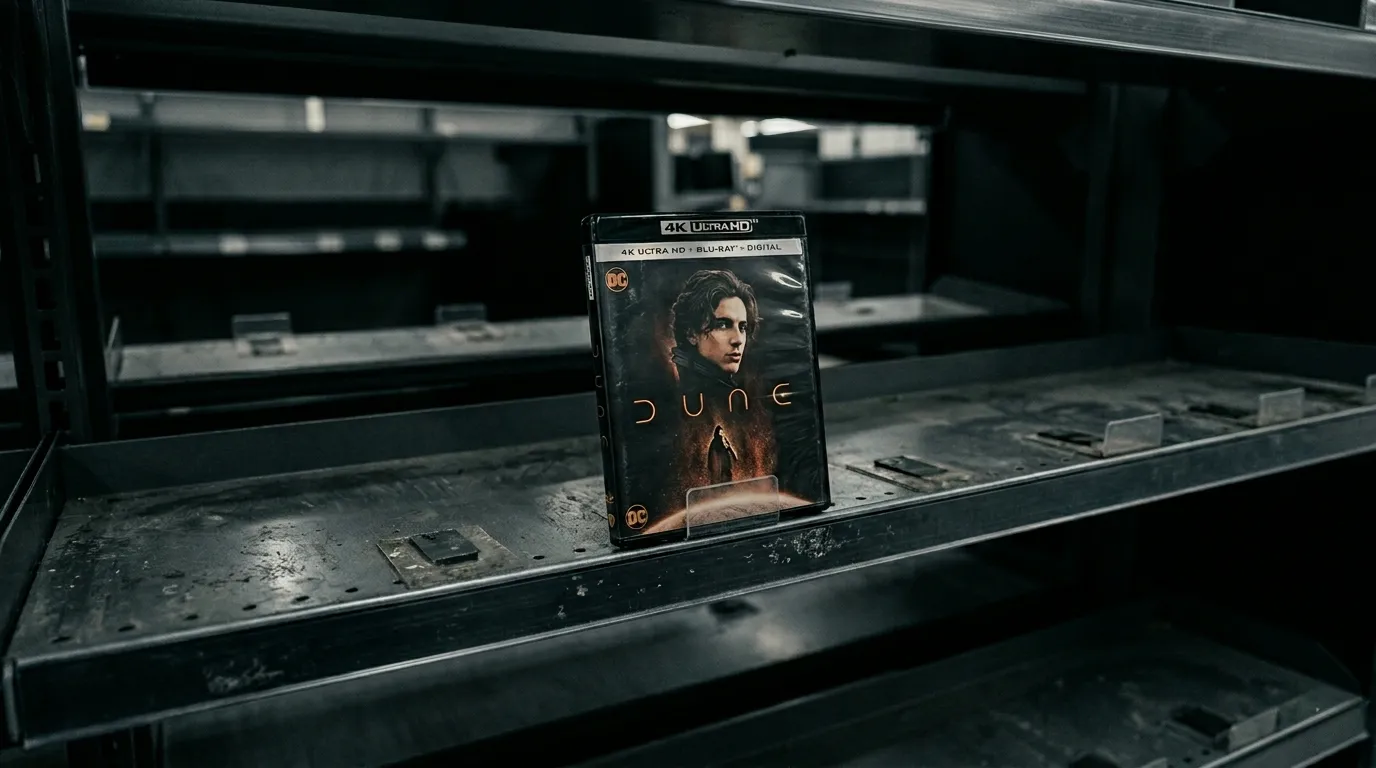
There's a browser tab I've had open for about two weeks now. It's the Project Hail Mary 4K preorder on Amazon.ca, $48, and I cannot make myself either buy it or close it.
I'm a sucker for an Andy Weir adaptation and a big space movie deserves the disc, so wanting it isn't the problem. The problem is that I can't decide whether to lock it in now or wait. Preorder, and I pay $48, done. Wait until after release, and maybe it drops to thirty bucks in a sale, the way new releases always used to. Or maybe it doesn't, and the longer I wait the better the odds it just quietly gets hard to find.
That little stalemate, the one keeping the tab open, is new. And I think it says more about where physical media is going than the price tag does.
My first instinct was that this is a Canada problem. It usually is. Our streaming catalogs are thinner, our retail is sparser, and we've made a national sport out of paying more for what costs less an hour's drive south. So I went looking, half expecting to confirm I was being gouged for living above the 49th parallel.
That's not quite what I found.
The price part is real, and it's everywhere, not just here. A new 4K release that would have been twenty bucks a few years ago is now thirty to thirty-five at list, before you even reach the prestige tier. TV seasons and premium editions are sitting at forty-five to fifty: Moana 2 on 4K listed around $48, The Penguin's first season around $50. The cheap new release, the impulse-bin disc you grabbed on the way to the register, is basically gone.
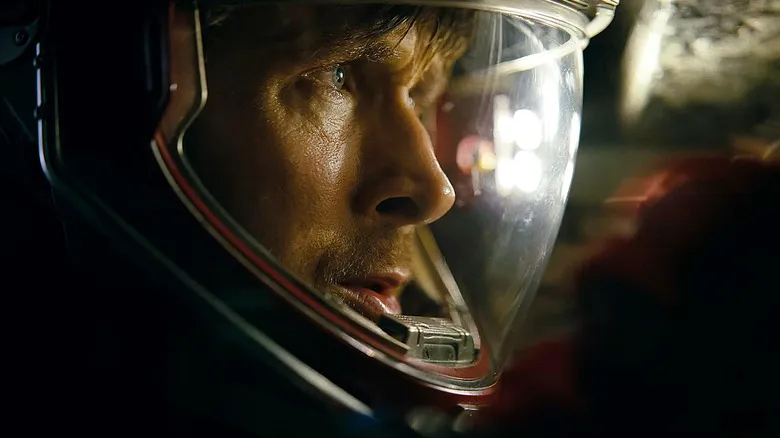
There are real reasons for it, and none of them are a studio being greedy in isolation. Fewer discs get pressed now, so the per-unit cost goes up, the exact opposite of the economies of scale that made discs cheap in the first place. A lot of pressing moved to Mexico (check the fine print on a recent disc, odds are it says "Made in Mexico"), and in the US a 25% tariff landed on top of that. That one's largely an American problem, discs coming into Canada look to be covered under the CUSMA trade deal, so I can't honestly blame Ottawa for my $48. And everywhere, there are far fewer stores competing to sell you the thing, which means far less downward pressure on the price. When three retailers are fighting for your $25, it stays $25. When one is, it doesn't.
That last part is the one that snuck up on me.
Because the price isn't really the story. The disappearing is.
Best Buy stopped selling physical media entirely in 2024. The whole wall, gone. Target spent 2025 gutting its sections down to an end-cap of new releases and not much else. Disney handed its entire disc operation over to Sony in early 2024, ending nearly half a century of doing it themselves. US physical media revenue dropped below a billion dollars for the first time, down from a sixteen-billion-dollar peak twenty years ago.
You can feel all of that in a single preorder you can't decide on. The studios aren't really in the disc business anymore, they're in the streaming business, and the disc is a side product they'll press a limited run of and move on from. So the runs are smaller, the windows are shorter, and waiting has quietly stopped being the safe, free move it used to be. "I'll get it after release" used to mean "I'll get it cheaper." Now it might mean "I'll get it if there are any left."
As for Canada being the villain: I had to be honest with myself there. Project Hail Mary lists at $37.99 in the US. At today's exchange rate that's about fifty-two Canadian dollars. My $48 was, technically, a slight discount on parity. We're not being charged a higher sticker.
What we've lost is the relief, at least on new releases. South of the border, those list prices get cut constantly, new 4K titles drop to nineteen or twenty-five dollars on a random Tuesday. Up here, the list price is mostly just the price, and the big-box footprint that used to apply that downward pressure keeps shrinking: Target left Canada years ago, there's no Best Buy disc aisle to browse anymore, and what's left is thin.
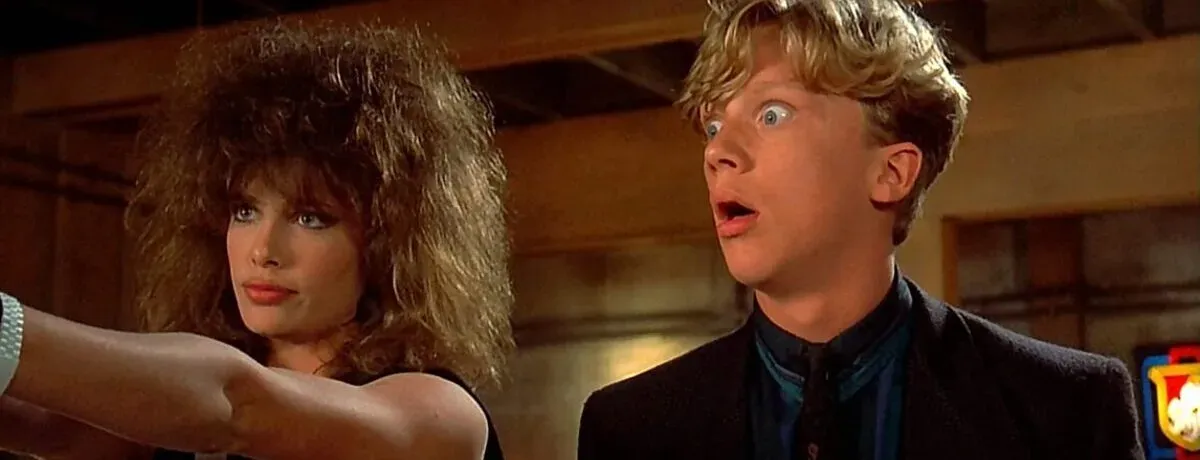
I don't want to overstate it, though, because the back catalog is a completely different story. I'm lucky to have a Sunrise Records where I live: a real wall of discs and deep discount bins, the kind of browsing that's getting rare. I picked up Weird Science for $11.99 and Contact for $9.98 a couple of weeks ago, prices that make the hobby feel sane again. Thrift stores are better still, and the collectors on Reddit aren't exaggerating the hauls. If you're filling in older films, it might never have been a better time to dig.
But notice what none of that helps with. The new releases at Sunrise are a small rack at the front of the store, priced right at Amazon. The thrift bins are all back catalog by definition. For the thing that's out this month, on the format you actually want, there's no bin and no bargain. You pay list, or you wait and find out. The squeeze lands harder in Canada, but it's the same squeeze everyone's in, and it's specifically a new-release squeeze.
And here's the part that makes the whole thing feel less like a market shift and more like a nudge: the same film is almost always sitting right there in digital, cheaper, and weeks earlier. Sometimes you can buy it to watch at home while it's still playing in theaters. The disc is the expensive, late, scarce option. The digital copy is the cheap, early, frictionless one.
That isn't an accident. A digital file costs them nothing to make: no pressing plant, no tariff, no shipping, no shelf space, no unsold units to write off. Of course they'd rather sell me that. So the disc gets the limited run and the delayed date, the digital version gets the discount and the head start, and the whole system leans you, gently, toward the option that's better for them.
And I'll admit it works on me more than I'd like. The easy way out of my $48 standoff is sitting right there: the digital copy, cheaper, available now. I've taken exactly that deal before, clicked buy on the digital version of some other film because it was twenty bucks and out a month before the disc, or because the price was too good to scroll past. And every time, it leaves me a little hollow. Because I know what I actually bought: a license, an entry in a library that lives on someone else's server, subject to someone else's deals. Not a thing I can hold, or shelve, or lend, or hand to my kids. The whole reason I care about discs, quietly traded away for the easy win.
Here's what actually changed, and the price tag doesn't capture it. For my whole life, buying a movie was cheap and easy. Discs were everywhere and affordable, and the only real question was whether you wanted it, because it would be there next week, probably cheaper. Now every new release is a small bet: pay now, or wait and risk paying more, or paying nothing because it's gone. You used to be able to be casual about it. You can't anymore.
I'm not mourning. I still stream constantly, and most of what I watch I will never own and don't need to. But the disc has quietly stopped being the default and become a decision. Physical media is going the way vinyl went: not dead, but no longer casual. A collector's format, which the boutique labels saw coming years ago.
The practical upshot, if you collect, is uncomfortable but simple. The disc you're hesitating on today might be cheaper in six months, or it might be the one you can't find. The old reflex, "I'll grab it later," used to be free. Now it costs something, even if you can't see the bill yet.
Which brings me back to that tab. I still haven't decided. But I've stopped assuming that later will be cheaper, and that, more than the $48, is the thing that actually changed.
Arkiv is a platform for cataloguing your physical media collection. When the thing you collect gets pricier and harder to time, it matters more than ever to know exactly what you already own, what you've upgraded, and what you meant to pick up before the moment passed. It was built to keep that record straight, and there are a few quietly rewarding things to uncover as your collection grows.
0 Comments
Sign in to join the discussion.